
What Can and Can't Be Recycled? A Homeowner's Guide
Why Recycling Matters More Than Ever
The UK sends over 13 million tonnes of waste to landfill every year. In Essex alone, councils are under increasing pressure to meet recycling targets. As homeowners, the choices we make about waste disposal have a real impact on the environment.
At Essex District Waste Removal, we recycle up to 90% of everything we collect. Here's a breakdown of what can and can't be recycled — and how we handle the rest responsibly.
Items That Can Be Recycled
You'd be surprised how much of your household waste can be given a second life.
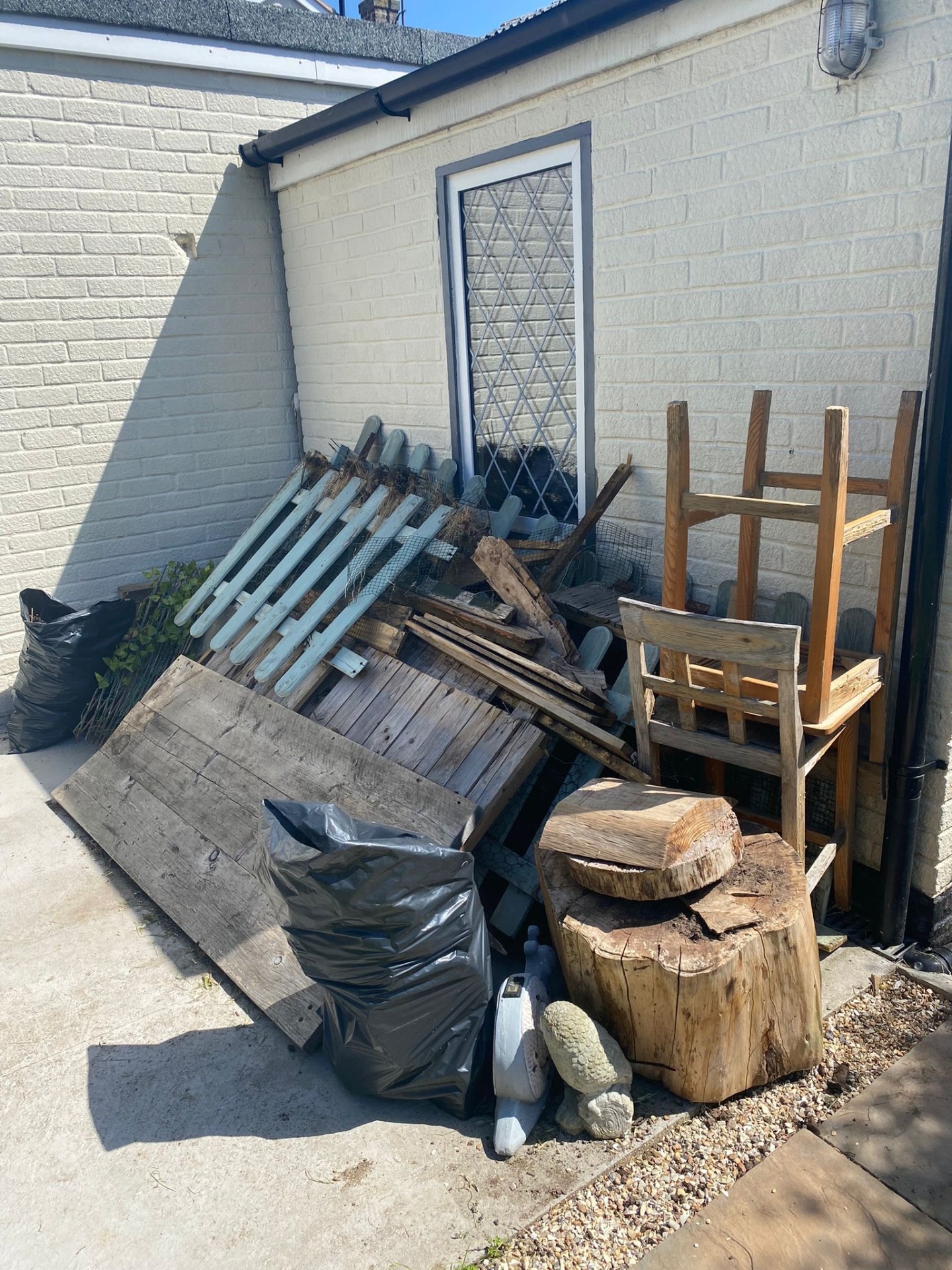
- Wood — old furniture, shelving, decking, and garden fencing are chipped and reused
- Metal — radiators, pipes, bed frames, and appliance shells are melted down and recycled
- Cardboard and paper — boxes, packaging, and documents (shredded if needed)
- Garden waste — grass cuttings, branches, soil, and leaves are composted
- Textiles — clothing and fabrics in reasonable condition are donated or repurposed
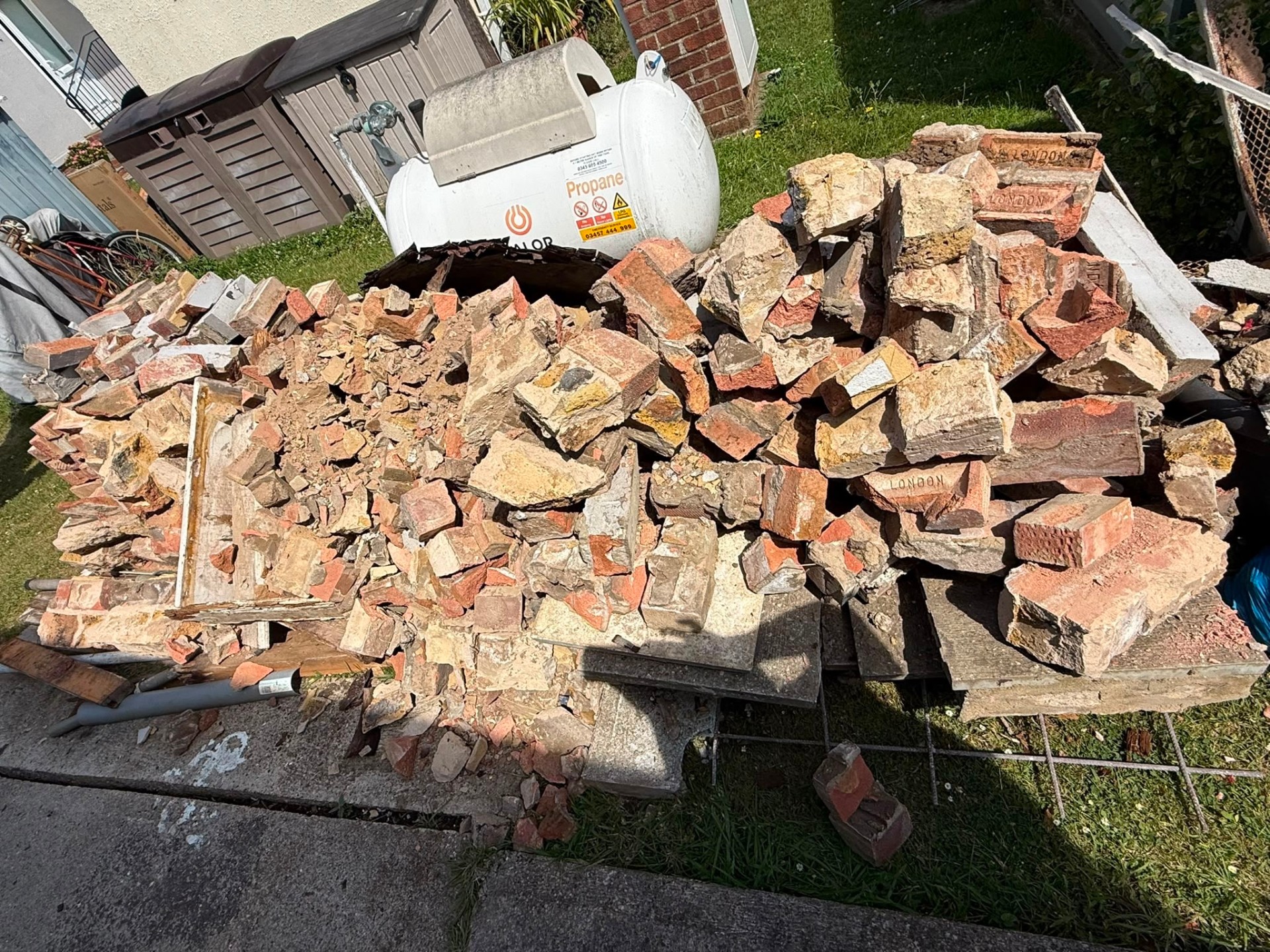
- Bricks and rubble — clean hardcore is crushed and reused in construction
- Electrical items (WEEE) — TVs, computers, kettles, and appliances are recycled at specialist facilities
Items That Need Specialist Disposal
Some items can't go in your standard recycling and require careful handling to meet legal requirements.
- Mattresses — these contain mixed materials and must be processed at specialist recycling centres
- Fridges and freezers — contain refrigerant gases that must be safely extracted before recycling
- Paint and chemicals — hazardous waste that needs to go to a licensed treatment facility
- Asbestos — must only be handled by licensed asbestos removal contractors
- Batteries and fluorescent tubes — contain toxic materials and must be recycled separately
- Tyres — cannot go to landfill and require specialist rubber recycling
What Happens to Your Waste After Collection
When our team collects your waste, it doesn't just go to a tip. Here's what actually happens:
- Sorting — we separate waste by material type at a licensed transfer station
- Recycling — metals, wood, cardboard, and rubble go to specialist recycling partners
- Donation — reusable furniture and items in good condition are donated to local charities
- Energy recovery — non-recyclable waste is sent to energy-from-waste facilities, not landfill
- Landfill — only as a last resort, and typically less than 10% of what we collect
How You Can Help
Even small actions make a difference when it comes to reducing waste.
- Separate your recyclables — keep metals, wood, and cardboard apart from general waste
- Donate before disposing — furniture, clothing, and working electronics can find new homes
- Choose a responsible waste company — ask about their recycling rate before booking
- Avoid fly-tipping — it's illegal, harmful, and completely unnecessary with affordable removal options
- Think before you buy — reducing consumption is the most powerful form of recycling
Our Commitment to Essex
We're proud to be one of the most environmentally conscious waste removal companies in Essex. Every load we collect is tracked, sorted, and processed responsibly. We provide waste transfer notes for every job, giving you full peace of mind.
Want to dispose of your waste the right way? Get in touch for a free quote and let us handle the heavy lifting — responsibly.
Ready to Get Started?
Get a free, no-obligation quote from Essex District Waste Removal today.
More Articles


Waste & Rubbish Clearance: Rayleigh, Southend & Basildon
Read more
Licensed Waste Removal in Essex: Avoiding Fines
Read more
House Clearance Cost in Essex (2026 Price Guide)
Read more
How to Dispose of a Sofa in Essex (Without Fly-Tipping)
Read more
What Can't Go In a Skip? Full UK List (2026)
Read more
Skip Hire vs Rubbish Removal: Which Is Better Value in Essex?
Read more
How to Prepare for a House Clearance: The Complete Checklist
Read more
Shop & Office Clearance in Essex: A Practical Guide for Businesses
Read more